Tortoise For Sale
페이지 정보

본문
Radiated Tortoises for Sale: An Overview of Care, Conservation, and Responsibilities
Radiated tortoises (Astrochelys radiata) are among the most striking tortoise types found worldwide, noted for their gorgeous, star-patterned shells and distinct look. Native to Madagascar's dry forests and scrublands, these tortoises are presently facing a wide range of hazards in the wild due to habitat loss, poaching, and prohibited trade. As an outcome, radiated tortoises have actually caught the attention of unique family pet enthusiasts, causing many individuals inquiring on buying these special creatures. However, interested purchasers should approach this endeavor with a thorough understanding of their requirements, conservation status, and the ethical considerations of owning such a types.
Understanding Radiated Tortoises
Physical Characteristics
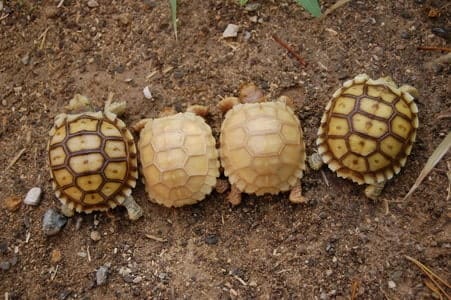
Radiated tortoises have a special and captivating appearance. Their shells, which are normally black or dark brown, function yellow lines radiating out from the center, developing a star-like pattern. Adult tortoises can reach lengths of 12 to 14 inches (30 to 35 cm) and can weigh between 30 to 50 pounds (14 to 23 kg). Their effective limbs and sturdy construct enable them to navigate their natural surroundings successfully.
Natural Habitat and Behavior
In the wild, radiated tortoises inhabit Madagascar's dry deciduous forests and scrublands. They mostly feed on a range of grasses and other plants, prospering on a diet plan abundant in fiber. These tortoises are also understood for their friendly habits, frequently discovered indulging in groups. Nevertheless, in captivity, their requirements can be more demanding due to the absence of area and natural stimuli.
The Importance of Conservation
Radiated tortoises are categorized as seriously threatened by the International Union for Conservation of Nature (IUCN). Their population has considerably declined for many years, attributed to:
- Habitat Loss: Deforestation for agriculture and human development quickly diminishes their natural habitat.
- Poaching: Illegal wildlife trade has resulted in a significant reduction in their numbers, with tortoises typically captured for the animal trade.
- Environment Change: Changes in environment can impact their environment and food availability, putting additional stress on already delicate populations.
Preservation Efforts
Organizations and people worldwide are working to secure the radiated tortoise through various initiatives. Some crucial efforts consist of:
- Habitat Protection: Establishing protected locations to conserve their natural environment and some ecological restoration activities.
- Legislation: Enforcing laws to fight prohibited trade and safeguarding vulnerable tortoise populations.
- Awareness Campaigns: Raising awareness about the value of preservation efforts and the obligations of pet ownership.
Considerations Before Buying a Radiated Tortoise
The choice to buy a radiated tortoise should not be taken lightly. Potential owners need to devote to offering appropriate care, nutrition, and an ideal environment. Here are some essential aspects to think about:
Legal Aspects
- Make sure that the tortoise is sourced from a trustworthy breeder or rescue organization. The unlawful pet trade postures considerable dangers to the types, and supporting ethical practices is essential.
- Acquaint yourself with regional laws concerning the ownership of exotic species, which may differ by region.
Habitat Requirements
Creating a perfect environment for a radiated tortoise is vital for its health and wellness.
- Area: A large enclosure, either inside or outdoors, is required. Adult radiated tortoises require a minimum of 100 square feet of area to prosper.
- Temperature level and Humidity: Optimal basking temperature levels need to be between 90 ° F to 95 ° F(32 ° C to 35 ° C), with ambient temperatures around 75 ° F (24 ° C). Humidity levels must stay between 50% and 70%.
- Shelter: Provide a damp hide or shelter to assist them manage their body temperature.
- Substrate: Utilize a mixture of soil, sand, and coconut coir to enable burrowing.
Dietary Needs
- A proper diet plan is important for the general health of radiated tortoises. They thrive on a varied diet, including high-fiber yards, leafy greens like dandelions, and periodic fruits. Calcium and vitamin supplements ought to also be supplied, specifically for younger tortoises.
Life expectancy and Commitment
Radiated tortoises can live for over 50 years, making them a long-lasting commitment. Prospective owners ought to consider whether they want to commit the needed time and resources throughout the angonoka tortoise for sale's life.
Frequently asked questions
1. Just how much do radiated tortoises cost?
The price of radiated tortoises varies widely, typically ranging from ₤ 1,000 to ₤ 3,000, depending on age, size, and seller credibility. Nevertheless, rates might change based upon market availability.
2. Can radiated tortoises be kept in indoor enclosures?
While they can be kept indoors, radiated tortoises need a spacious and enriched environment that imitates their natural habitat. Outdoor enclosures are chosen as they supply adequate space for motion and natural sunlight exposure.
3. What should I do if I can no longer care for my radiated tortoise?
If you can no longer care for your tortoise, it's crucial to find a trustworthy rescue company or sanctuary. Never release a captive tortoise into the wild, as it postures dangers to both the tortoise and the native wildlife.
4. Are radiated tortoises social animals?
Yes, radiated tortoises are normally social and can be seen basking and engaging with each other in the wild. Nevertheless, intros need to be carefully handled in captivity to prevent aggression.
Radiated tortoises are not only beautiful animals but likewise a crucial types in their environment. Before obtaining one, potential owners should think about various factors, consisting of legality, habitat needs, dietary requirements, and long-term commitments. More importantly, supporting preservation efforts is necessary in ensuring that future generations can appreciate these remarkable tortoises, both in captivity and in their natural environments. Therefore, anyone trying to find radiated tortoise for sale tortoises for sale should prioritize ethical sourcing and be completely prepared for the responsibilities of offering correct care.
- 이전글24약국 비아그라 제품 안내 제품 특징 , 복용 가이드 안내 26.04.29
- 다음글발기부전 약 효과 실패 줄이는 핵심 전략 26.04.29
댓글목록
등록된 댓글이 없습니다.