Questions For/About Flexibility Yoga
페이지 정보

본문
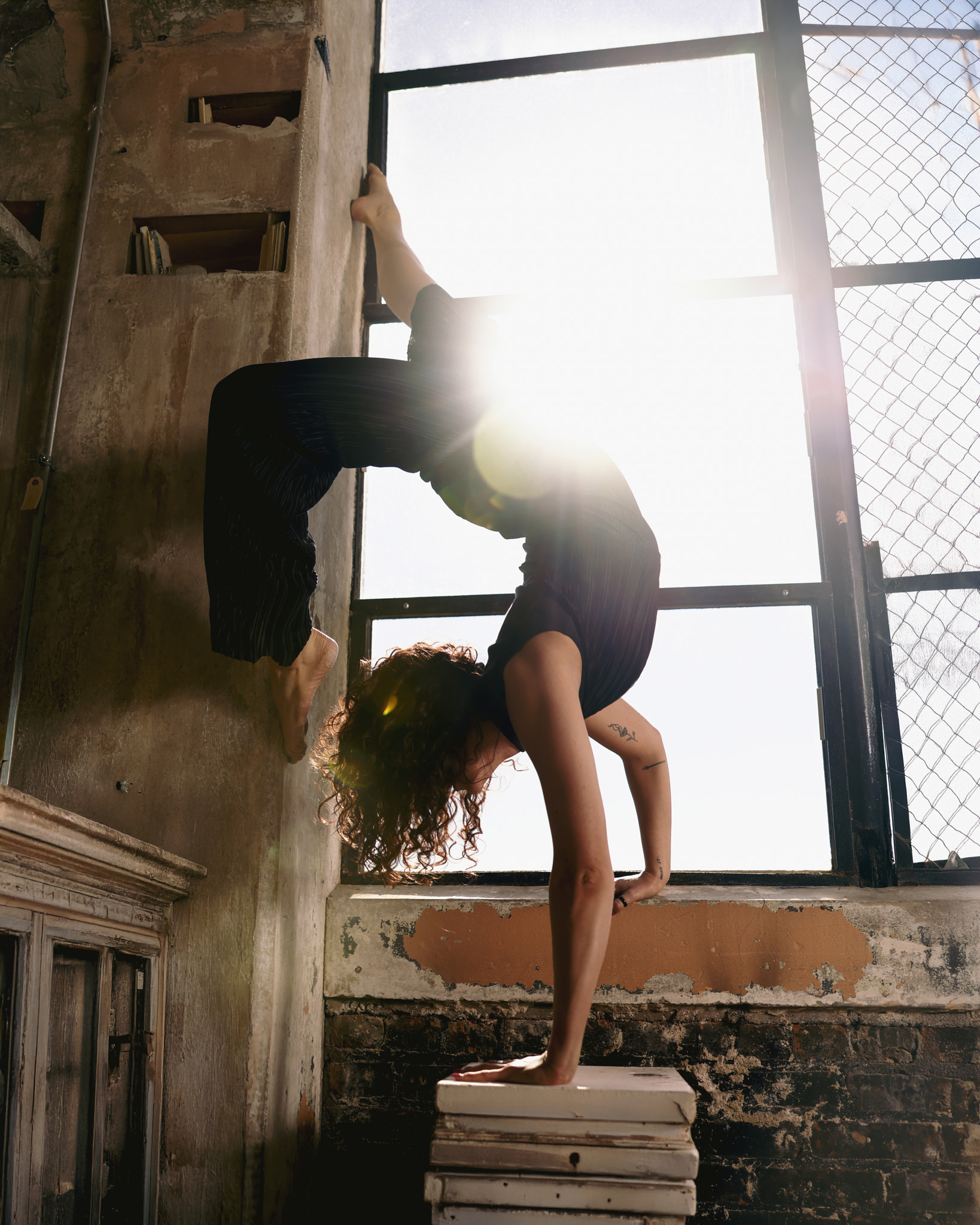
Now let’s apply this physiology lesson to a fundamental but very powerful posture: Paschimottanasana. Imagine you’re lying on your back in yoga class, getting ready to fold up and over into Paschimottanasana. Now you’re ready to open just a little extra, making the most of a momentary lull in neural activity, deepening the stretch. Ligaments can safely stretch a bit greater than tendons-however not much. "Habitual patterns, like carrying your child on the same aspect, can promote improper body mechanics" that lead to these imbalances. In the event that they weren’t, wonderful motor coordination like taking part in piano or performing eye surgical procedure can be not possible. Slowly release the pose and repeat on the opposite facet, performing an equal variety of stretches on every. Return to the beginning position, performing an equal variety of stretches on each sides. Prolonged stretches like this will produce healthful, everlasting adjustments in the quality of the fascia that binds your muscles. Ground substance is the nonfibrous, gel-like binding agent wherein fibrous connective tissues like collagen and elastin are embedded. Ground substance stabilizes and lubricates connective tissue. And it is often believed that restrictions in this substance can limit flexibility, particularly as we age.
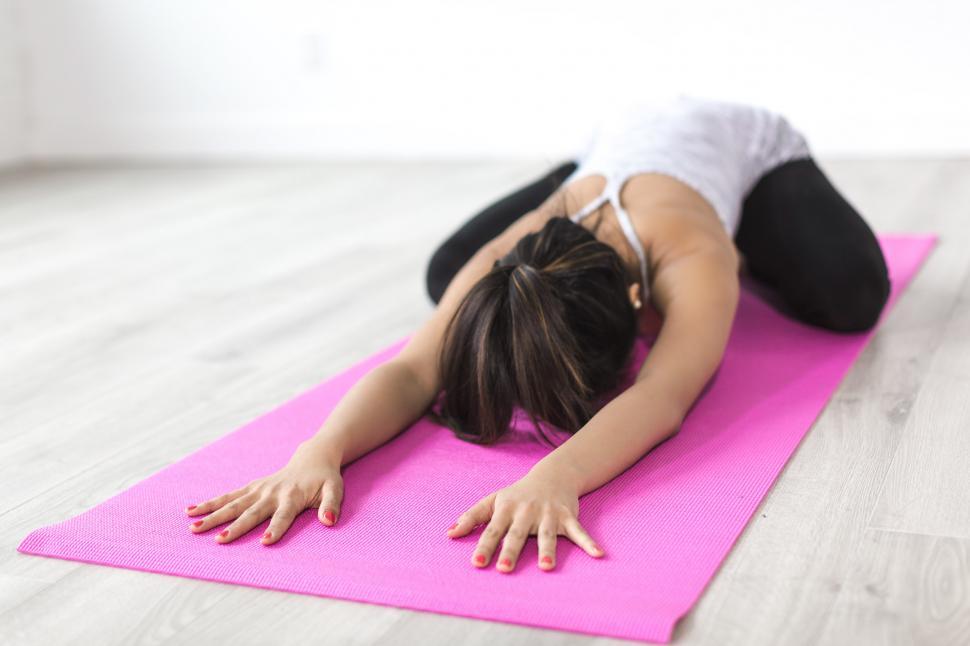 Of all the structural elements of your body which limit your flexibility, it is the only one that you would be able to stretch safely. By now, you’ve stretched ahead and settled into the pose utterly, backing off barely from your maximum stretch and breathing deeply and steadily. Then, when the hamstrings have achieved their most vary for the day, Sheer would strengthen them with weight-bearing, isometric, or isotonic workout routines. While tendons have huge tensile power, they've little or no tolerance to stretching. Apply gentle stress on your right foot utilizing the strap by bending your elbows and drawing your toes towards your shin while maintaining your head and shoulders on the floor. Sit on the ground with your legs prolonged in front of you and bend your proper knee, stepping your right foot over your left thigh. In response to Sheer, she’s doing the correct thing. David Sheer, an orthopedic guide therapist in Nashville, Tennessee, uses the precept of reciprocal inhibition to help patients safely improve their vary of motion.
 He claims the best kind of flexibility combines improved range of motion with improved energy. The title of this pose combines three words: "Paschima," the Sanskrit phrase for "west"; "uttana," which means "intense stretch"; and "asana," or "posture." Since yogis traditionally practiced going through east towards the sun, "west" refers to the whole back of the human physique. The instructor asks you to carry your trunk slowly, reaching out by your tailbone and up by means of the crown of your head, being cautious to not overarch and strain your decrease again as you progress up and forward. Being versatile and ready to maneuver easily is a crucial side of bodily well being. Along the back of your torso and legs are the opposing, or complementary, groups of muscles, which should elongate and release before you may move ahead. In case you contact the opposing muscles, the biceps (the big muscles on the front of your upper arm), they should feel relaxed. The primary muscles at work during this first section of a forward bend are the rectus abdominis that run along the front of your trunk.
Your hamstrings are launched if you interact their opposing muscle group, the quadriceps. You're feeling a pleasant pull alongside the full length of your hamstrings. The secondary muscles working to drag your torso up run through your pelvis and alongside the entrance of your legs: the psoas, linking torso and legs, the quadriceps on the front of your thighs, and the muscles adjoining to your shin bones. They’re the muscles that contract to tug you forward. Attached to your ribs just under your heart and anchored to your pubic bone, these muscles are the anatomical string that literally pulls you forward from the heart chakra. Some yogis are already embracing this synthesis enthusiastically. Yogis have been using this mechanism for millennia to facilitate stretching. "That’s where now we have extra injury-prevention research, and the place some of the greatest profit lies," Matthews adds. By now you could also be asking yourself, "What do these Western stretching strategies have to do with yoga? Like many teachers, Larson is utilizing ancient yogic methods that apply physiological rules only lately understood by fashionable science. Perhaps you even really feel like a timelessly serene statue as you hold Paschimottanasana for several minutes.
- 이전글HERMED 헐메드 약물중절 작용는 얼마나 빨리 보일까 26.05.28
- 다음글[정품약국] 겨울 시즌 남성건강·부부생활 세일 진행중 지금 확인 26.05.28
댓글목록
등록된 댓글이 없습니다.